



Grand Gator Honors:
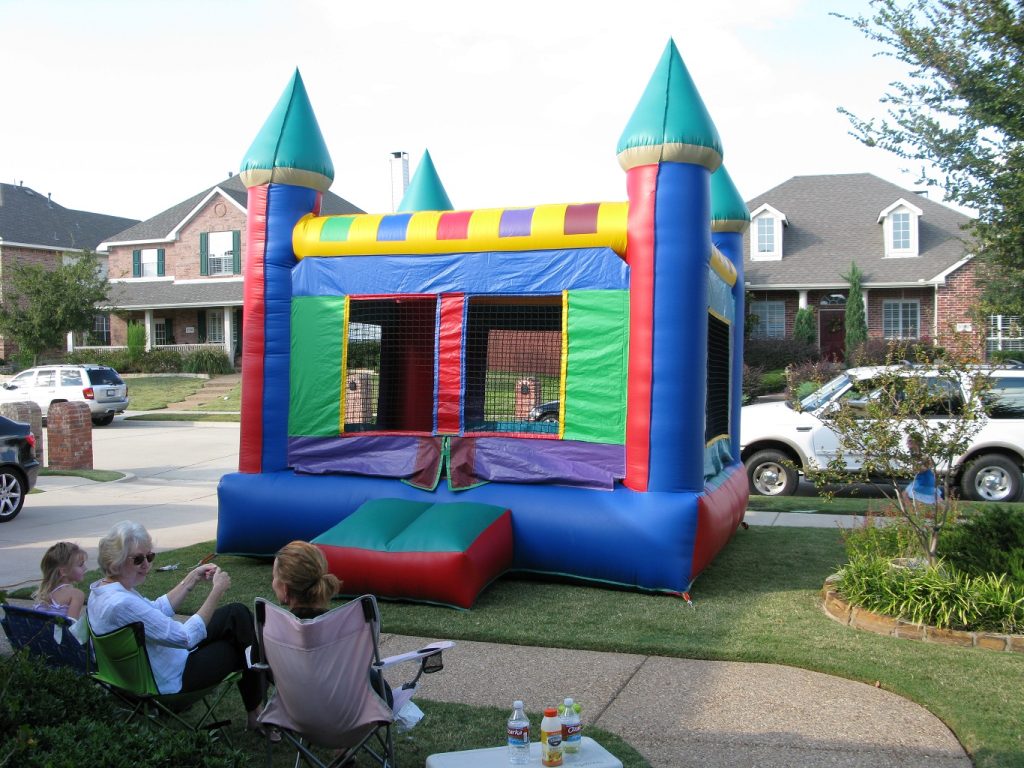
For more than ten years I’ve worked as a professional event producer — coordinating festivals, family entertainment gatherings, and community celebrations from local park stages to large public venues. When I first encountered the company known as grand gator events, I was intrigued because it fit a niche I’ve come to value deeply: creating memorable, carefree experiences that are anchored in fun rather than slick corporate production. Grand Gator Events isn’t a massive multinational entertainment firm; rather, it’s a smaller outfit that specializes in inflatable rentals, bounce houses, and interactive setups that help families and organizations bring vibrancy to their celebrations. These offerings — from classic inflatables to obstacle courses and carnival‑style attractions — are exactly the kinds of hands‑on elements that make events feel alive and engaging for kids and adults alike. One of the things that struck me early on was the attention the team pays to safety — something that isn’t always prioritized in our industry. Long before I had any formal certification or decades of experience, I remember being at a summer street fair where poorly secured inflatables thrilled kids but made their parents visibly uneasy. After that, I resolved that safety had to be a guiding principle in every event I touch. When I worked with Grand Gator Events on a community block party, I saw this commitment in action: the crew double‑checked stakes, blew up equipment with redundancies in place, and asked parents about any concerns before the festivities started. That made a noticeable difference in atmosphere — families were relaxed, and kids played with joy rather than hesitation. Another memorable experience came when we partnered for a neighborhood fundraiser that had a mixed crowd: toddlers who wanted gentle rides, teens looking for excitement, and adults who wanted to mingle without constant worry about supervision. The team from Grand Gator Events proposed splitting the event layout into activity zones — calming inflatables near the food area, more dynamic obstacle setups in an open field area, and a shaded lounge spot for those who just wanted to chat. Not only did this planning make logistical sense, but it also reflected a deeper understanding of how different age groups engage with shared spaces. That nuance is something I’ve rarely seen from rental companies that simply drop off equipment and leave. Of course, working with inflatables and event gear comes with its own set of challenges. Over the years I’ve seen organizations make the common mistake of underestimating setup time or overbooking attractions without considering crowd flow. At one festival I produced early in my career, we loaded the schedule with back‑to‑back activities and giant inflatables — but we didn’t leave enough space between them. The result was a bottleneck of excited kids near one entrance, which made it hard for parents to get photos, find shade, or even access refreshments easily. Since then, I’ve emphasized with every partner the importance of flow: ensuring that attractions animate a space without congesting it. Grand Gator Events has been refreshingly receptive to that sort of strategic planning. When we recently worked together on a spring fair, I shared insights from years of gauging peak attendance times and spatial design. Grand Gator didn’t just place equipment where it “fit”; they collaborated on optimizing layouts, advised on peak energy windows, and even suggested quieter moments with face‑painting stations and craft corners for families who needed short breaks from high‑energy activities. From a professional perspective, I advise organizers to think beyond the checklist — focusing not only on what attractions they offer but on how participants will experience them throughout the event. Too many committees fall into the trap of booking the biggest or most colorful rentals without pausing to imagine the movement of people or the transitions between activities. A little foresight can turn a good party into a great one. Working with companies like Grand Gator Events has taught me that the heart of community events is simple: shared laughter, playful moments, and environments where people feel invited, safe, and free to enjoy themselves. My credentials as an event producer are rooted in these experiences. The technical logistics matter, of course, but when children are comfortably bouncing, teens are laughing together in an obstacle challenge, and adults are recalling fond childhood memories near the concession area, that’s where the real success of an event shows — and that’s what Grand Gator Events helps make possible.